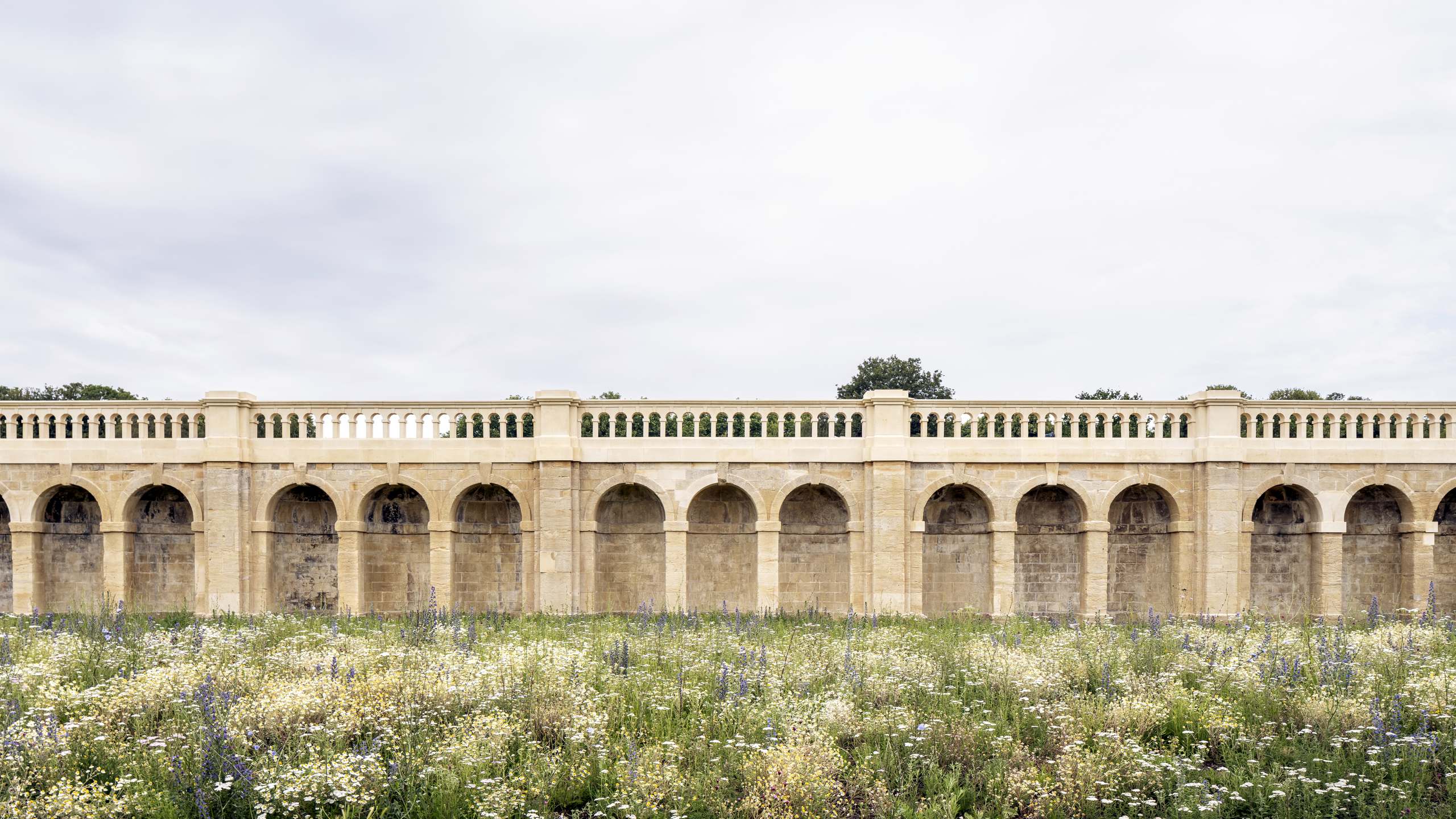
The process of revitalising the park was driven by coherent, site-wide landscape strategies that extend beyond individual interventions. These strategies are designed to maximise ecosystem service benefits and ensure that the park remains accessible and enjoyable for both the local community and visitors from around the world. Key approaches include the reuse of site-won materials, the implementation of sustainable water management systems, and initiatives to enhance biodiversity and improve accessibility throughout the park.
A key strand of the revitalisation concept involved the removal of unsympathetic interventions and wayward vegetation. Unmanaged and invasive vegetation encroaching upon Listed assets, but also overgrown planting limiting appreciation and understanding of the park’s historic and spatial qualities was removed to reveal important views and vistas.

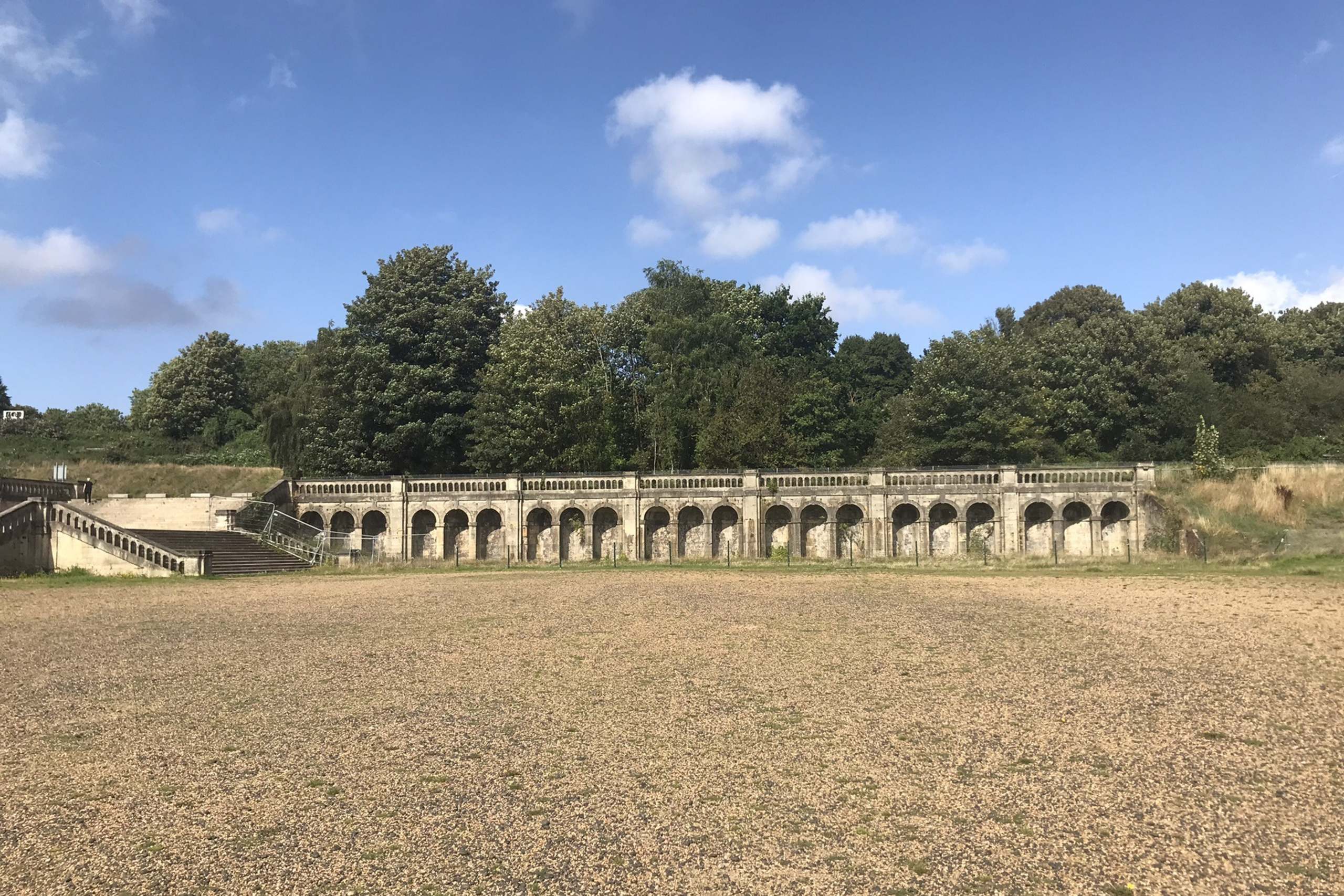
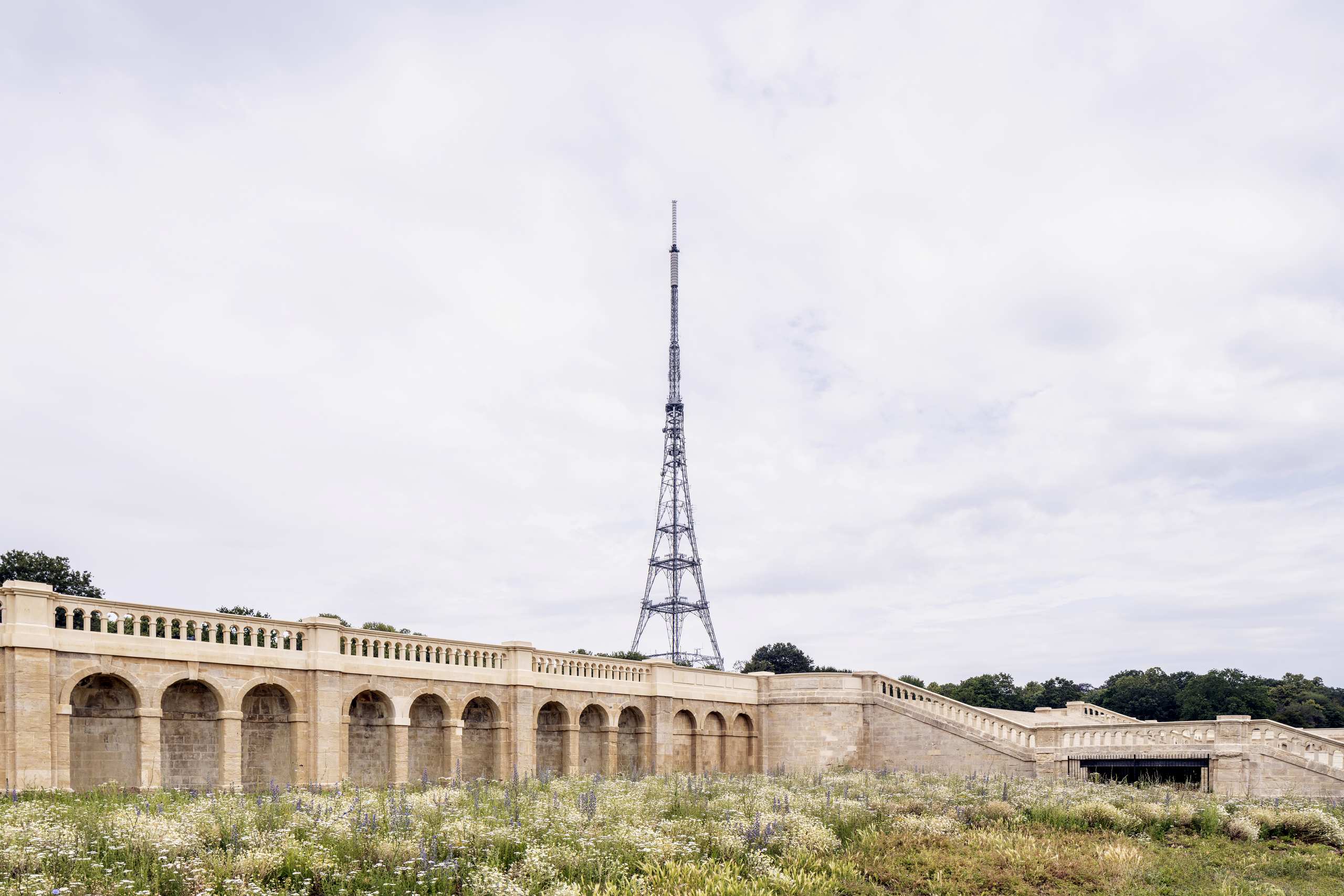
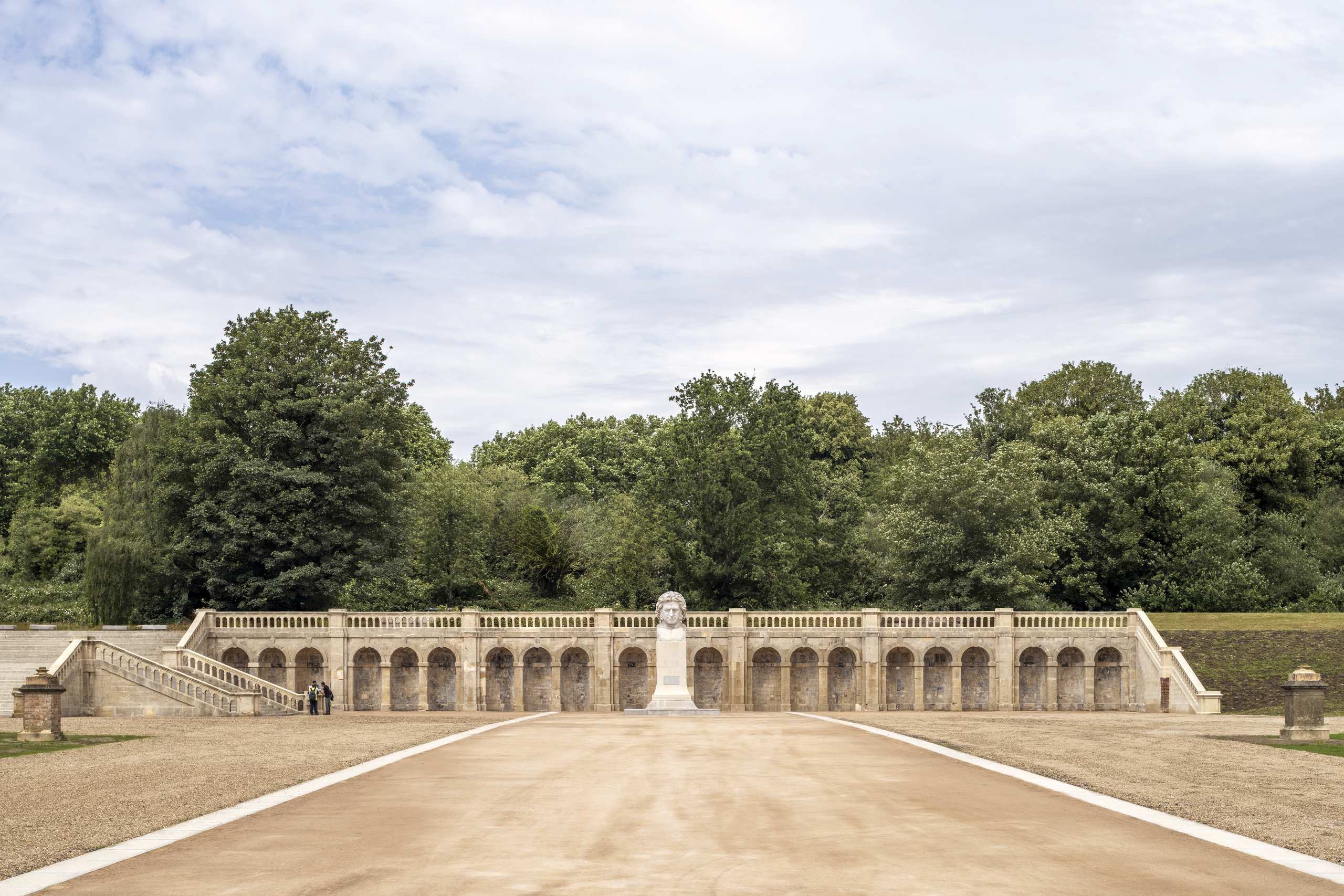
The principle of reusing materials within the park hasshaped the design from the outset, supporting a circular economy approach andreducing the project’s environmental footprint. Site-won soils havebeen ameliorated and redistributed across the park. Subsoil andtopsoil excavated for the creation of the new play area and maintenancebuilding is used to reshape the Italian Terraces, improvingviews, access, and drainage.
Over 7,500 tonnes of site-won soils were reused across theproject, saving over 375 larger tipper truck deliveries. All sedimentremoved during the lake desilting process (approximately 330m3) hasbeen repurposed to reprofile its edges and create 500m2 of newmarginal shelves, thereby maximising ecological, environmental andprogramme benefits.
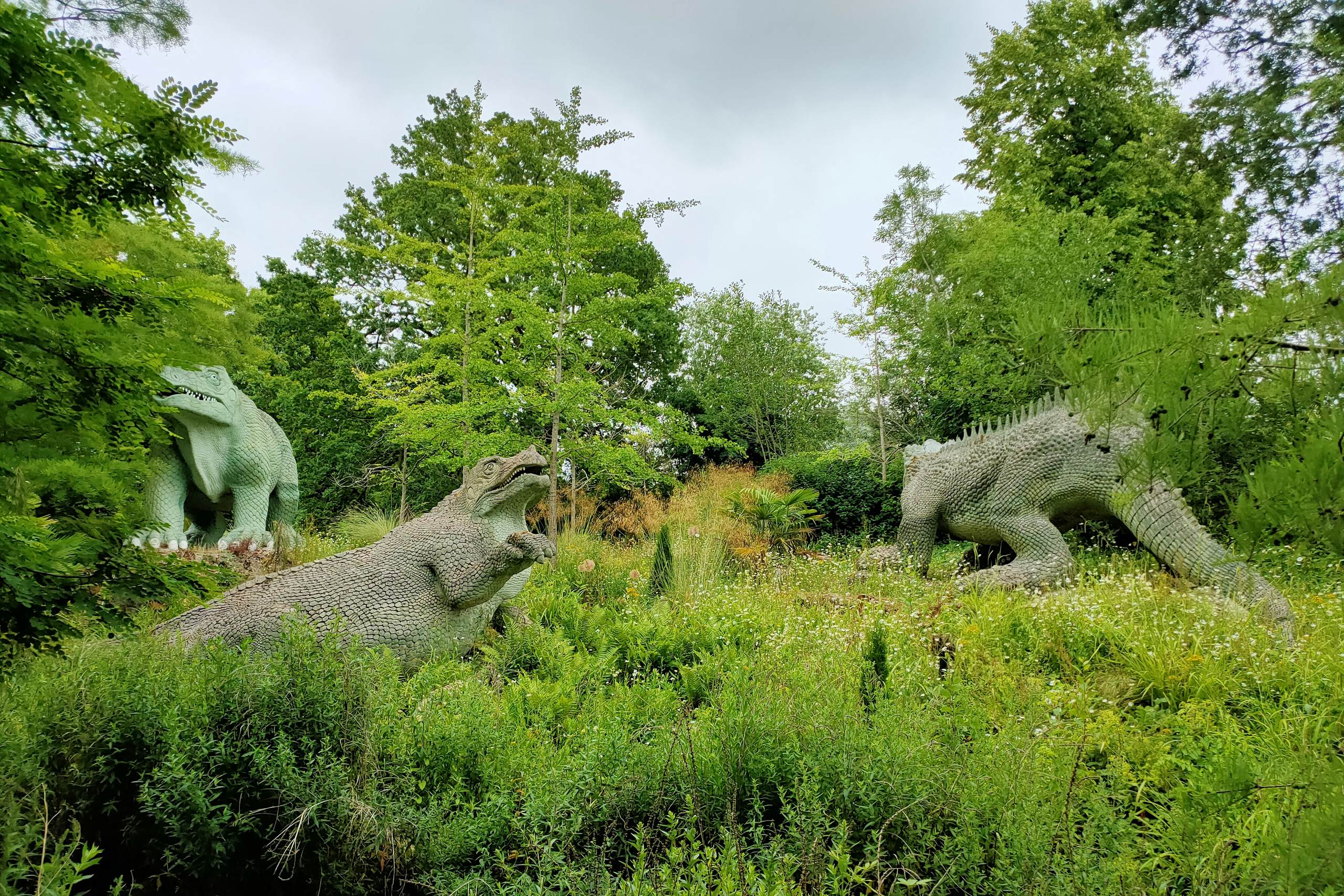
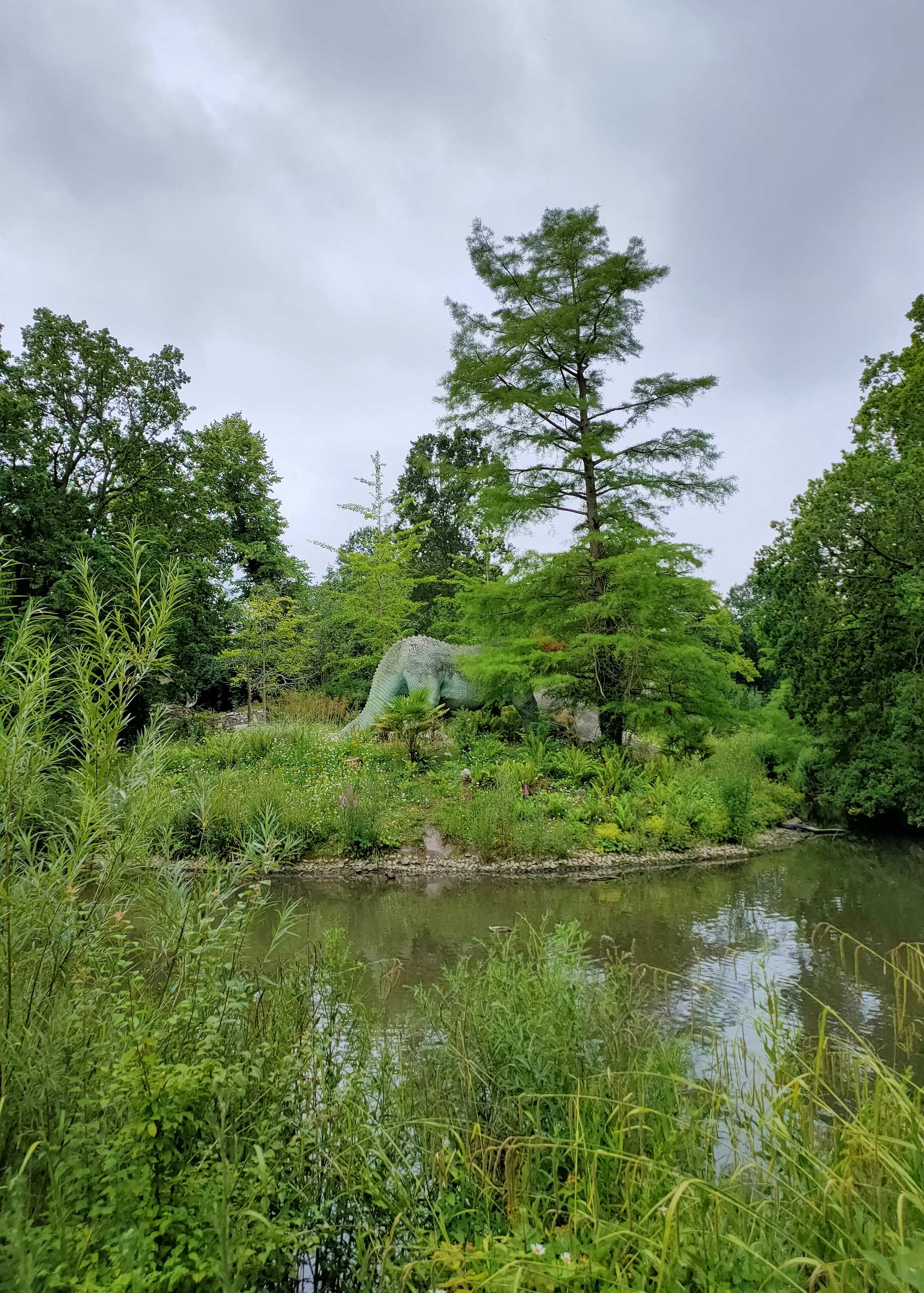
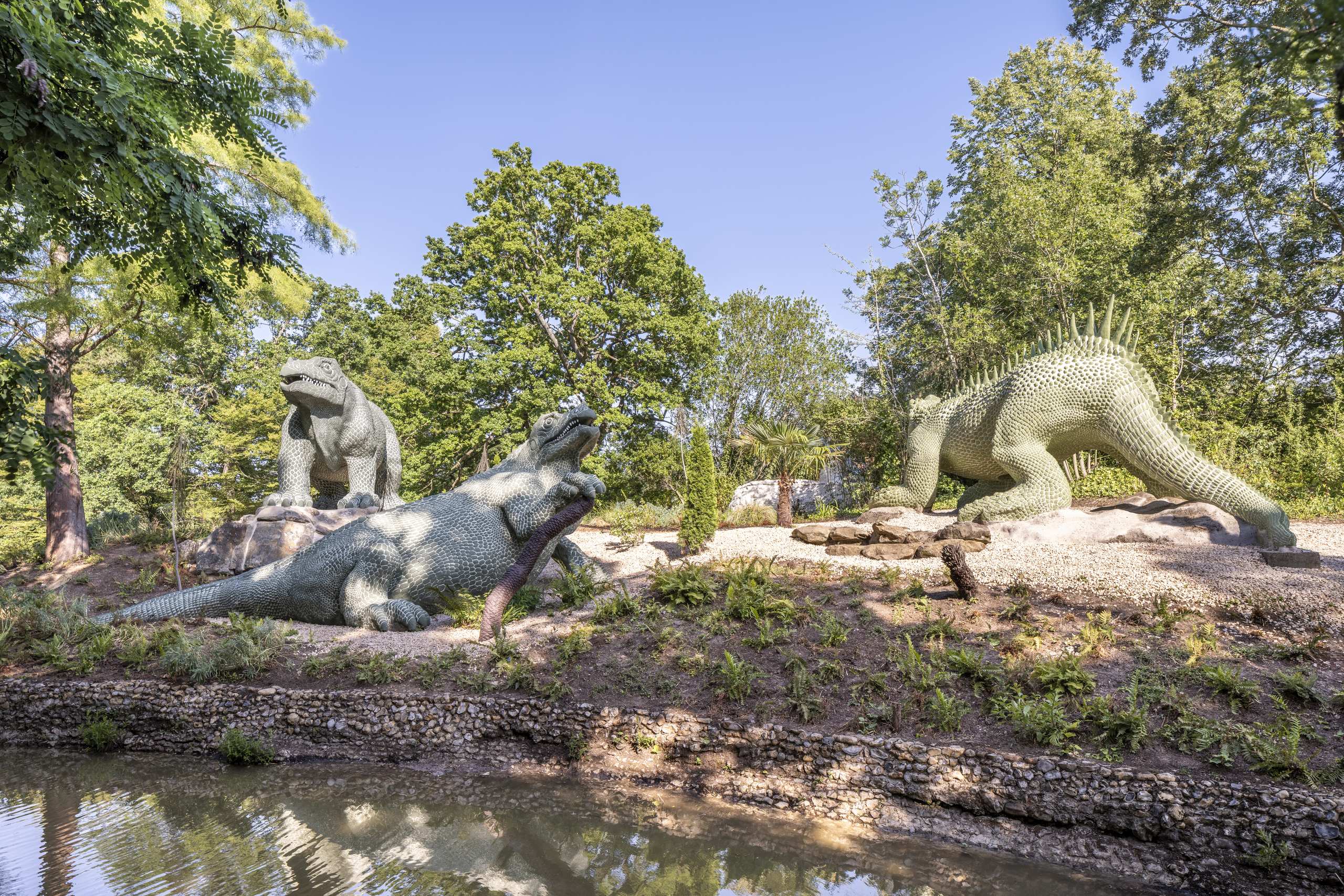
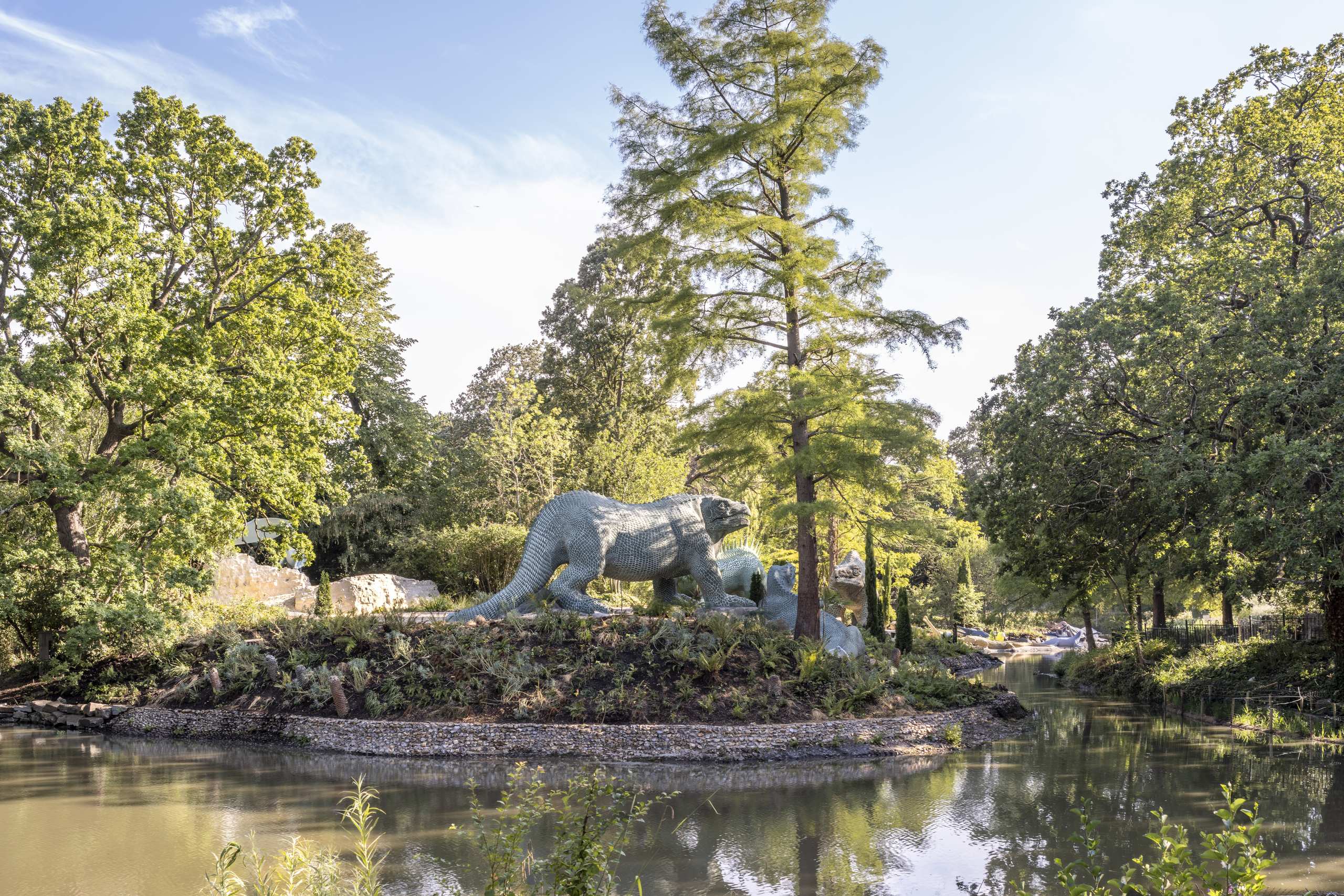
The new drainage strategy manages rainwater at source and celebrates its use through sustainable urban drainage systems (SuDS), which also create new habitats. New rain gardens collect surface water runoff along the extended Grand Centre Walk while biodiverse swale features serve the café and Visitor Centre. Across the Italian Terraces, a network of below-ground and slits and filter drains have been introduced to improve drainage performance and support the range of events and activities essential to the park’s long-term maintenance.
A mosaic of flowering meadows reintroduces the park’s historic horticultural spectacle, together with offering valuable habitat for bees, butterflies and other wildlife. Species-rich grasslands replace short-mown amenity lawn and are managed through varied cutting regimes to allow the landscape to shift between large‑scale event spaces and biodiverse habitats. Drought‑tolerant species are selected to withstand a changing climate, and successional tree planting is advanced as a park‑wide strategy to ensure long‑term resilience. Over 64,000 individual plants, 47,00 m2 of seeding and 11,000 m2 of flowering meadow turf have been installed.
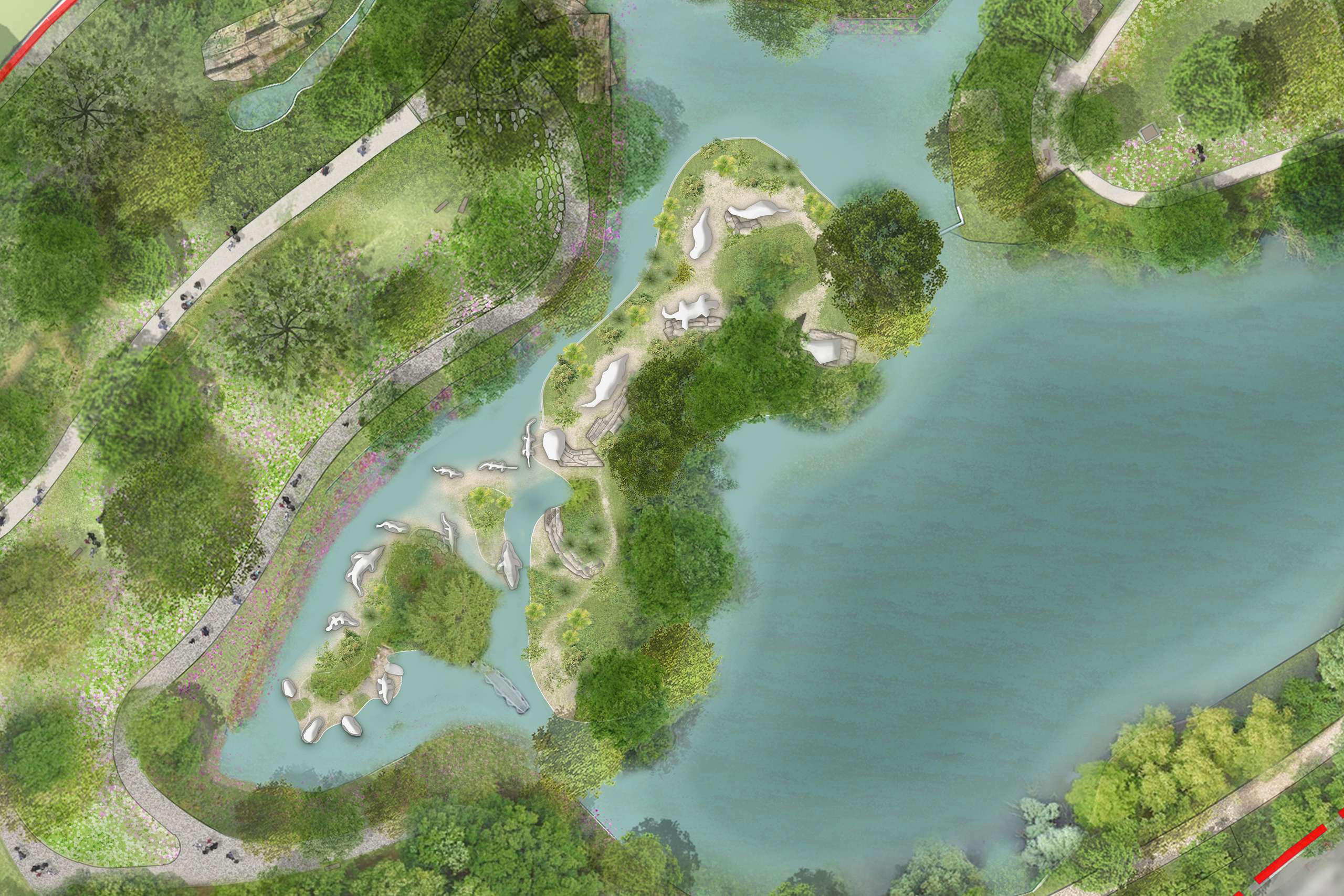


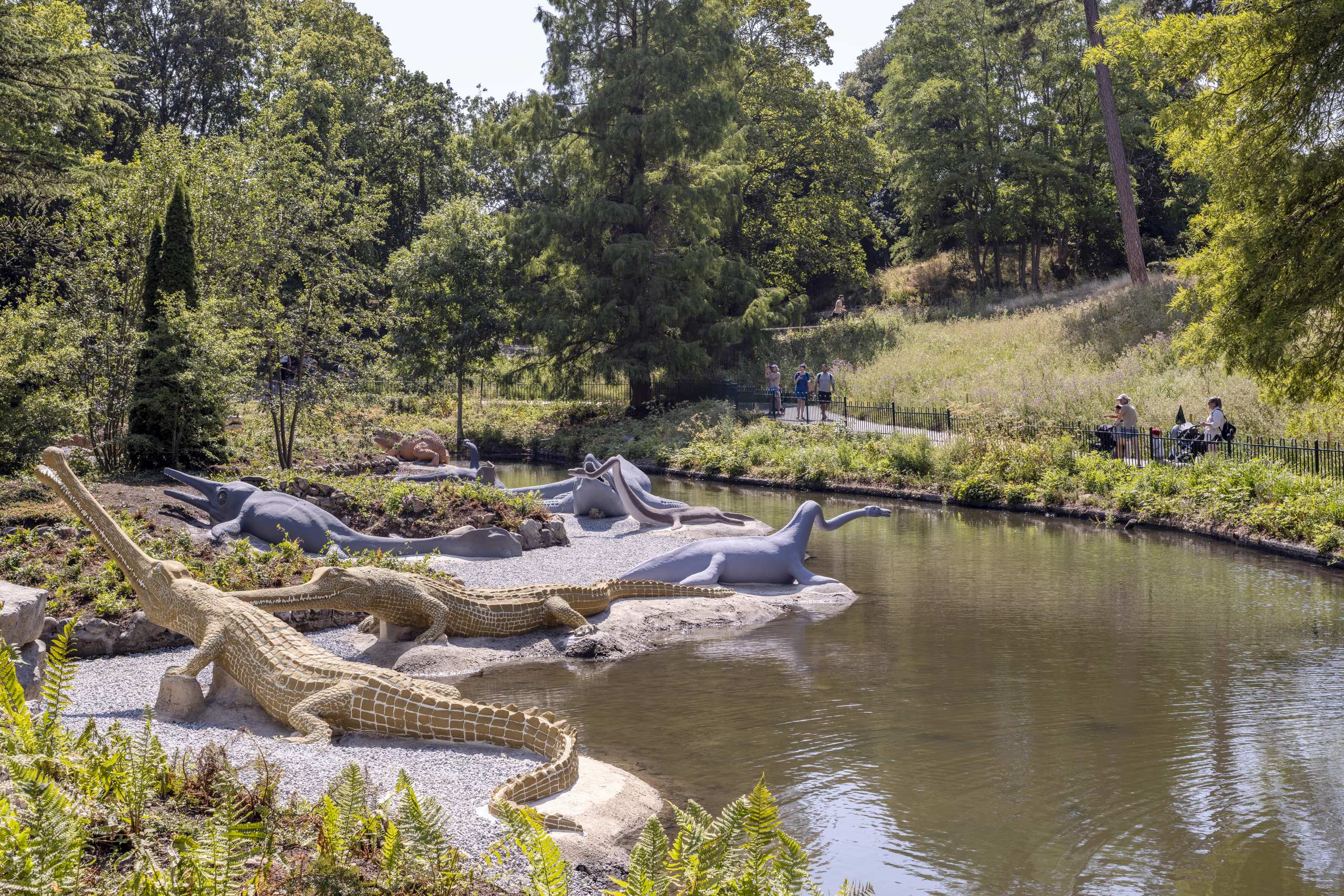
Around the Tidal Lakes, existing paths have been surfaced with decorative aggregate asphalt to create a year-round bound surface and enhance accessibility; replacing a loose surface that became rutted in winter. A new ramp, located within the terrace walls at the site of a former historic stair, provides step-free access to the Lower Terrace, complemented by a gently meandering accessible path through meadow and tree planting linking to the Upper Terrace. Penge Gate, whilst not an original gateway to the park, is redesigned as a key pedestrian entrance, responding to the high footfall in the area. A new feature gate reflects the geometric language of the Crystal Palace’s modular design, celebrating its architectural heritage.
A coordinated lighting strategy creates a clear, connectednetwork along the main routes and entrances across the Tidal Lakes area,improving safety and accessibility while linking key destinationssuch as the Grand Centre Walk, Penge Gate, Crystal Palace Station, the playarea, café and Visitor Centre.
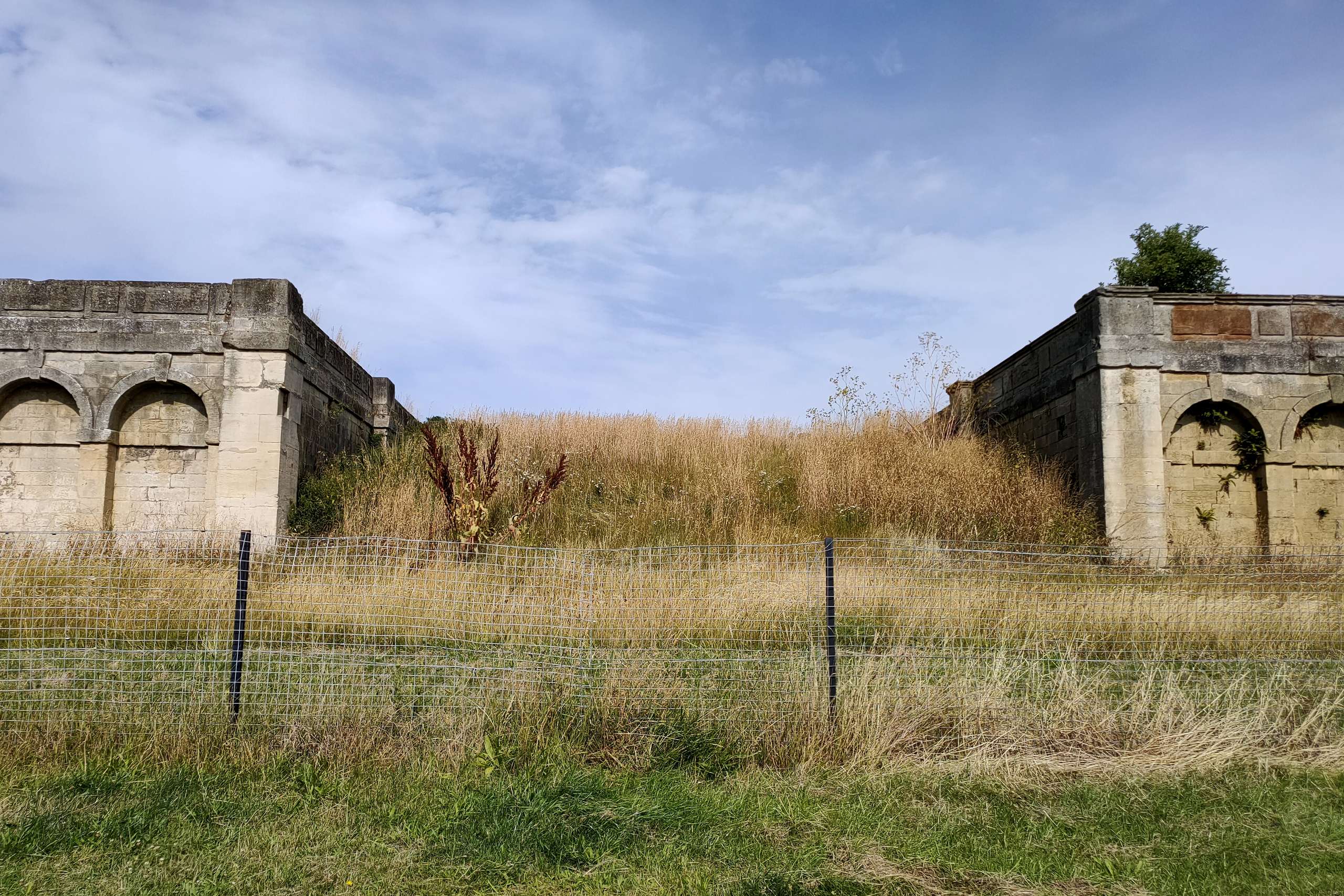
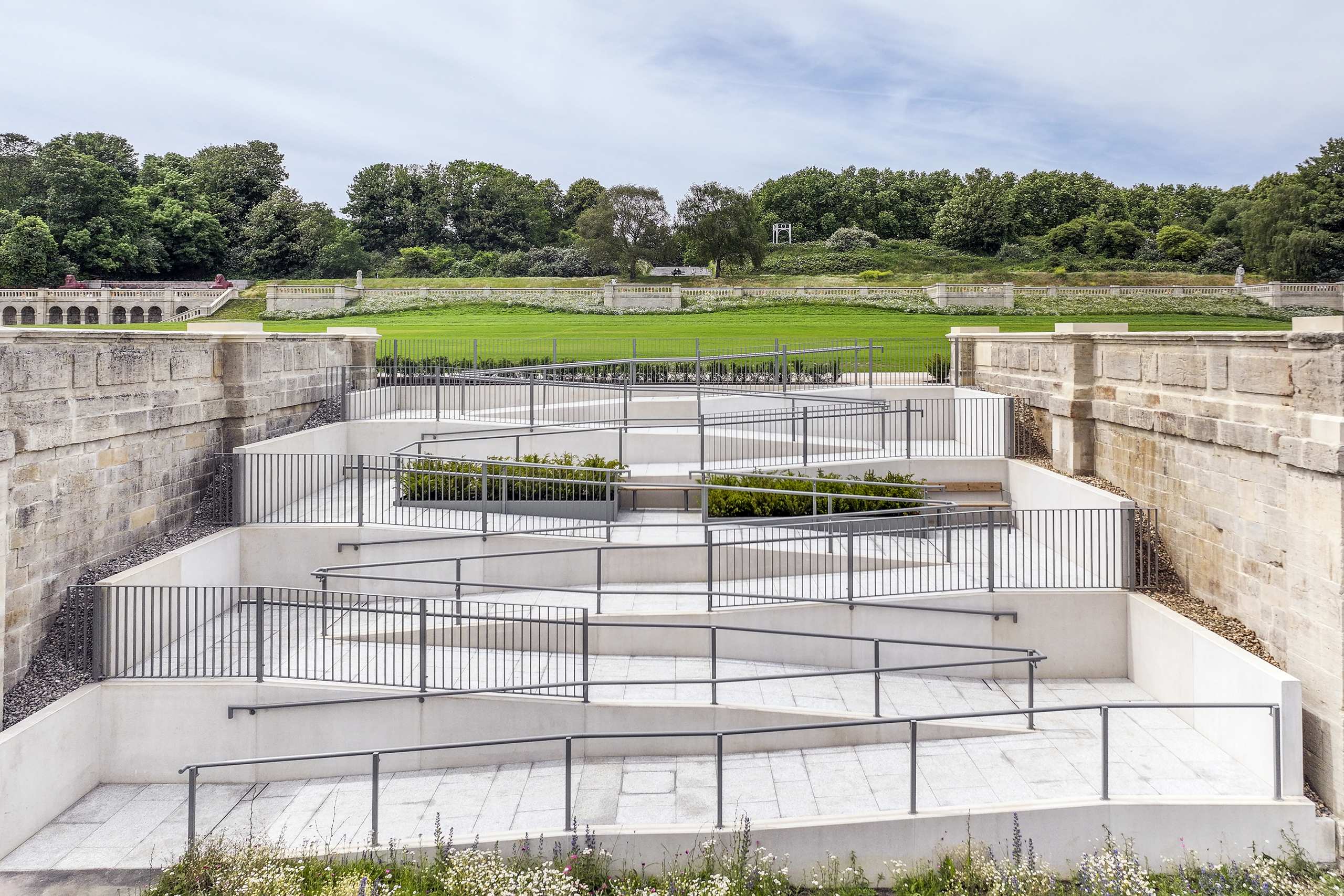
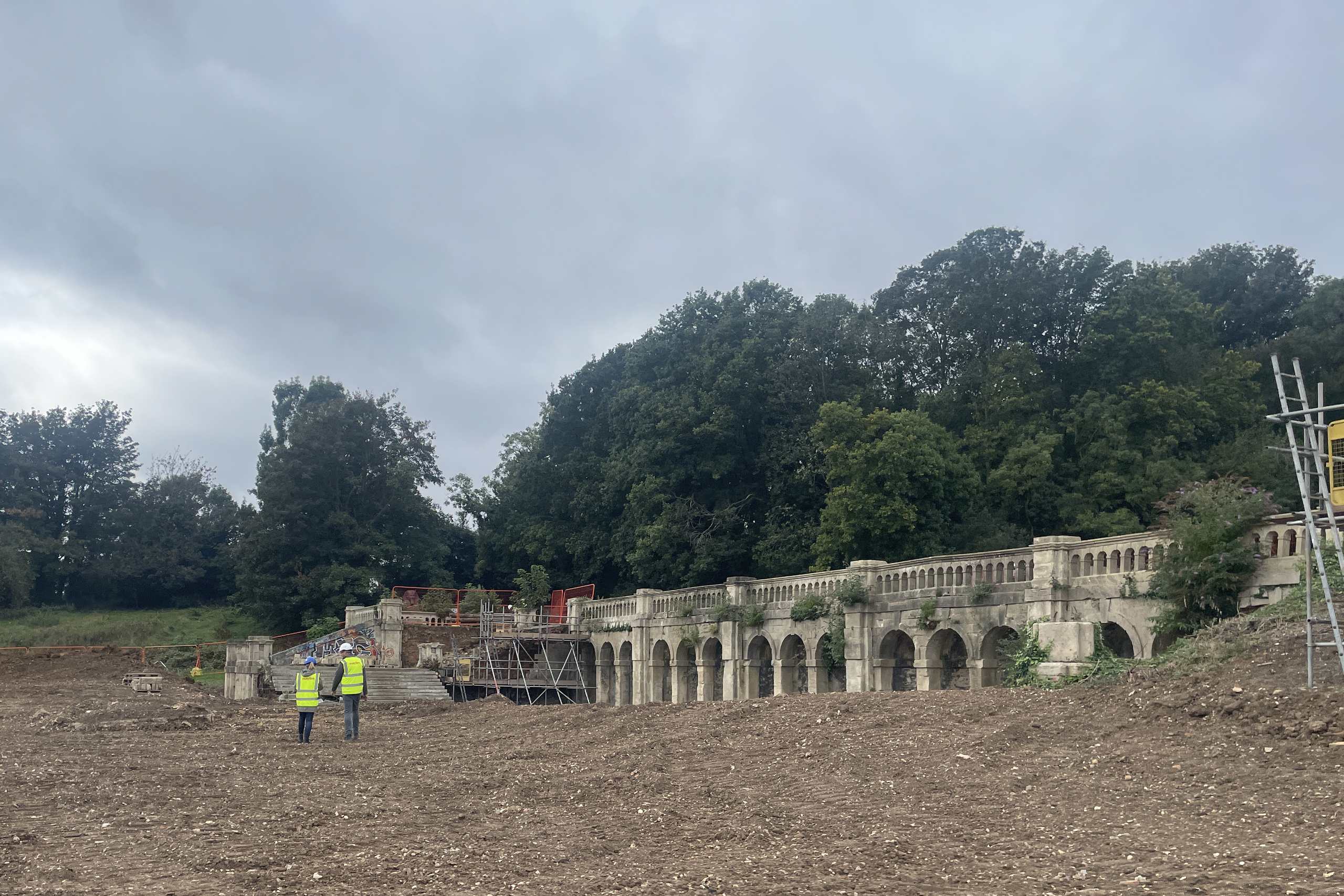
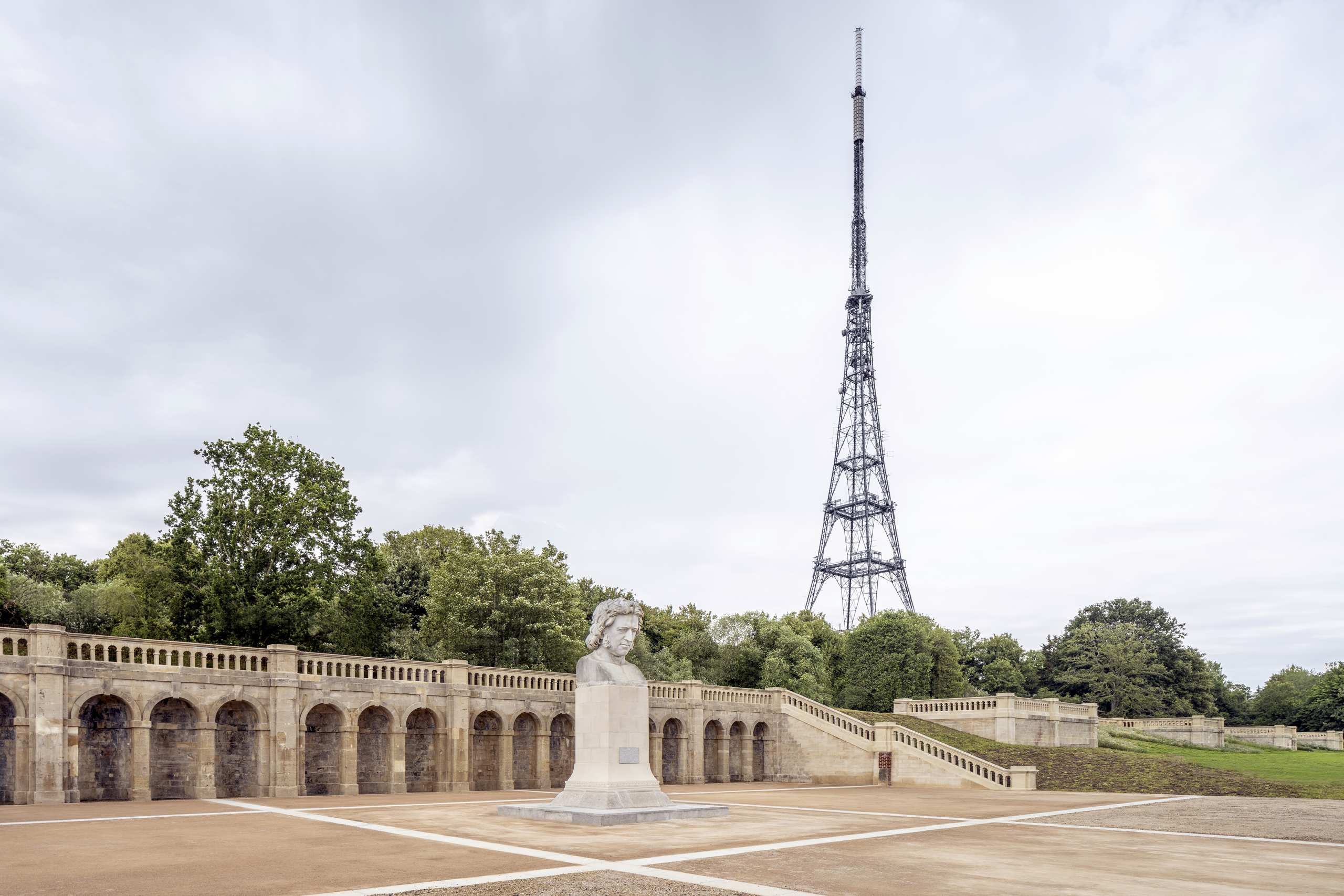
On the Italian Terraces, ground-mounted lighting within recessed arches creates dramatic vertical illumination, back lighting meadow planting and accentuating the height of the terrace walls. Uplighters also highlight the Sir Joseph Paxton Bust, while illuminated handrails on the accessible ramp improve visibility and wayfinding.
A new wayfinding strategy introduces a clear and consistent family of signs across the Tidal Lakes and Italian Terraces, usingmonoliths, miniliths and finger posts with maps and directional information to help visitors navigate the park, connect to the Heritage Trail and wider destinations.