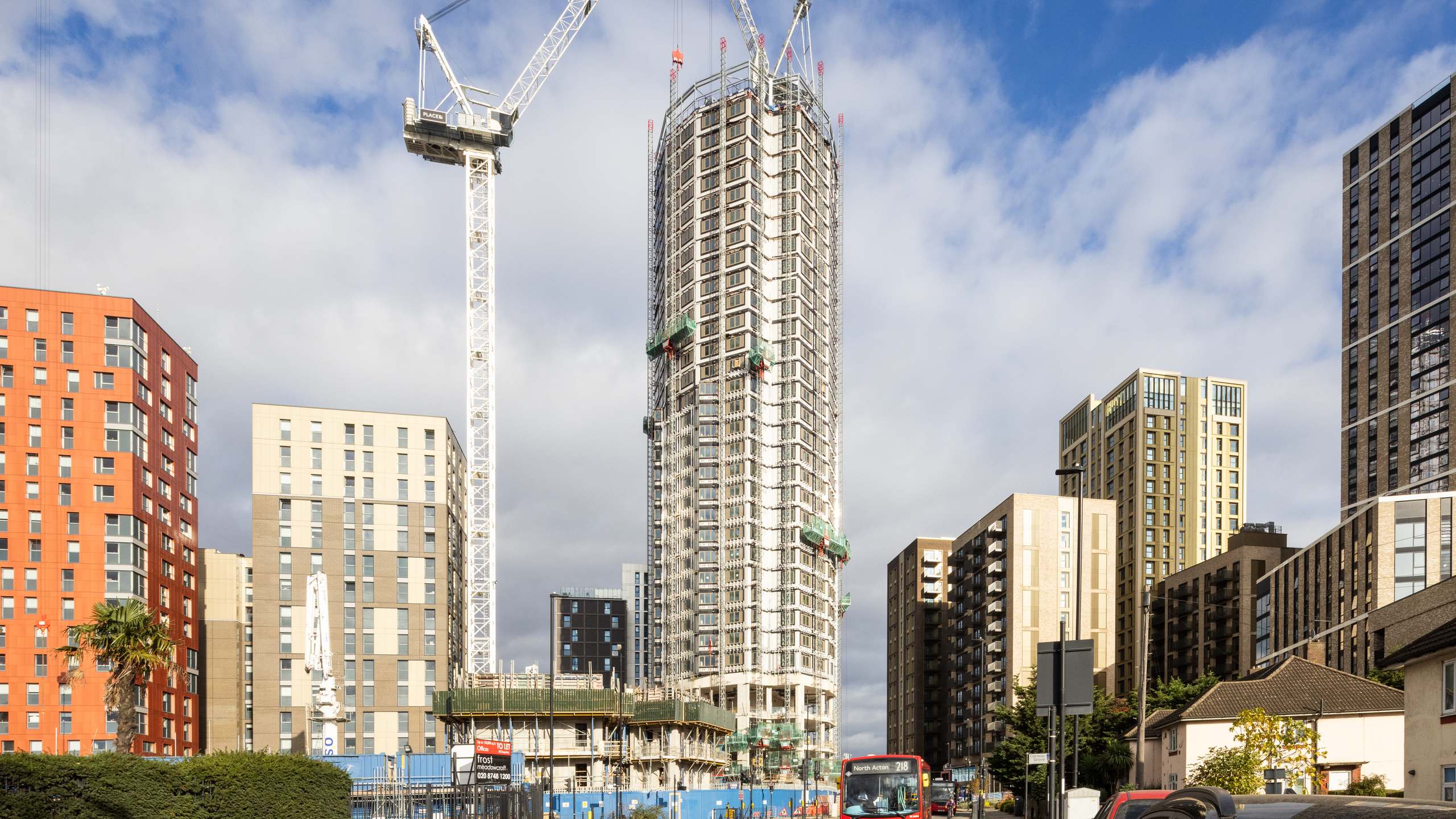
Enclave: Acton sets a precedent for environmental and sustainability performance through its pioneering offsite manufacturing, enabling rapid delivery and completion within an impressive 18 months.
The Vision volumetric system offers significant benefits over traditional construction. It minimises waste on-site by up to 80%, of which 99% is diverted from landfill. It’s less disruptive to local communities as reduces construction logistics by 80%. Around 70% of Enclave: Acton was manufactured in controlled factory settings, where 99% of the waste is recycled or used for energy recovery. This construction approach also improves safety for those involved in the project construction by reducing high risk activities on site and the personnel required on site.
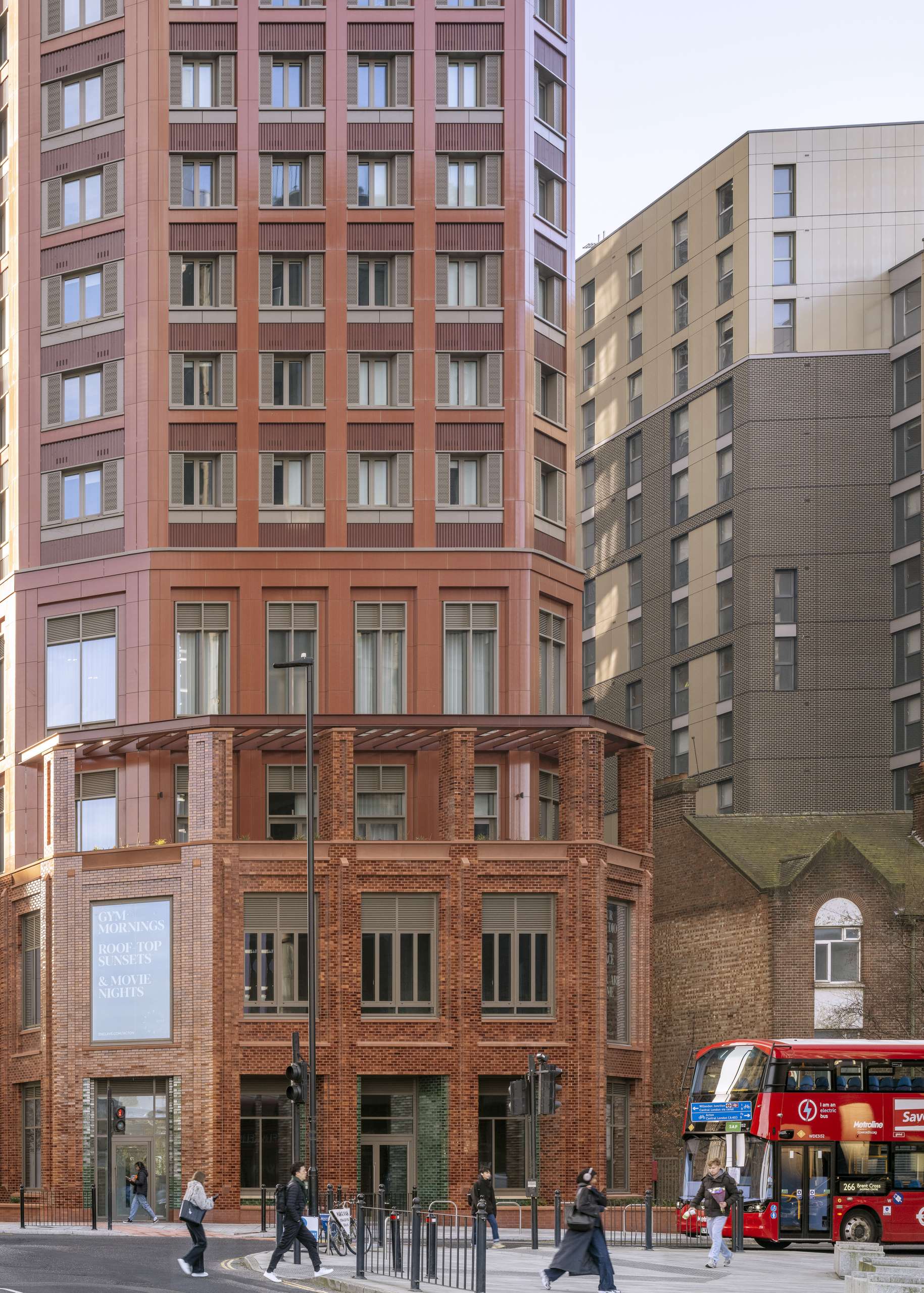
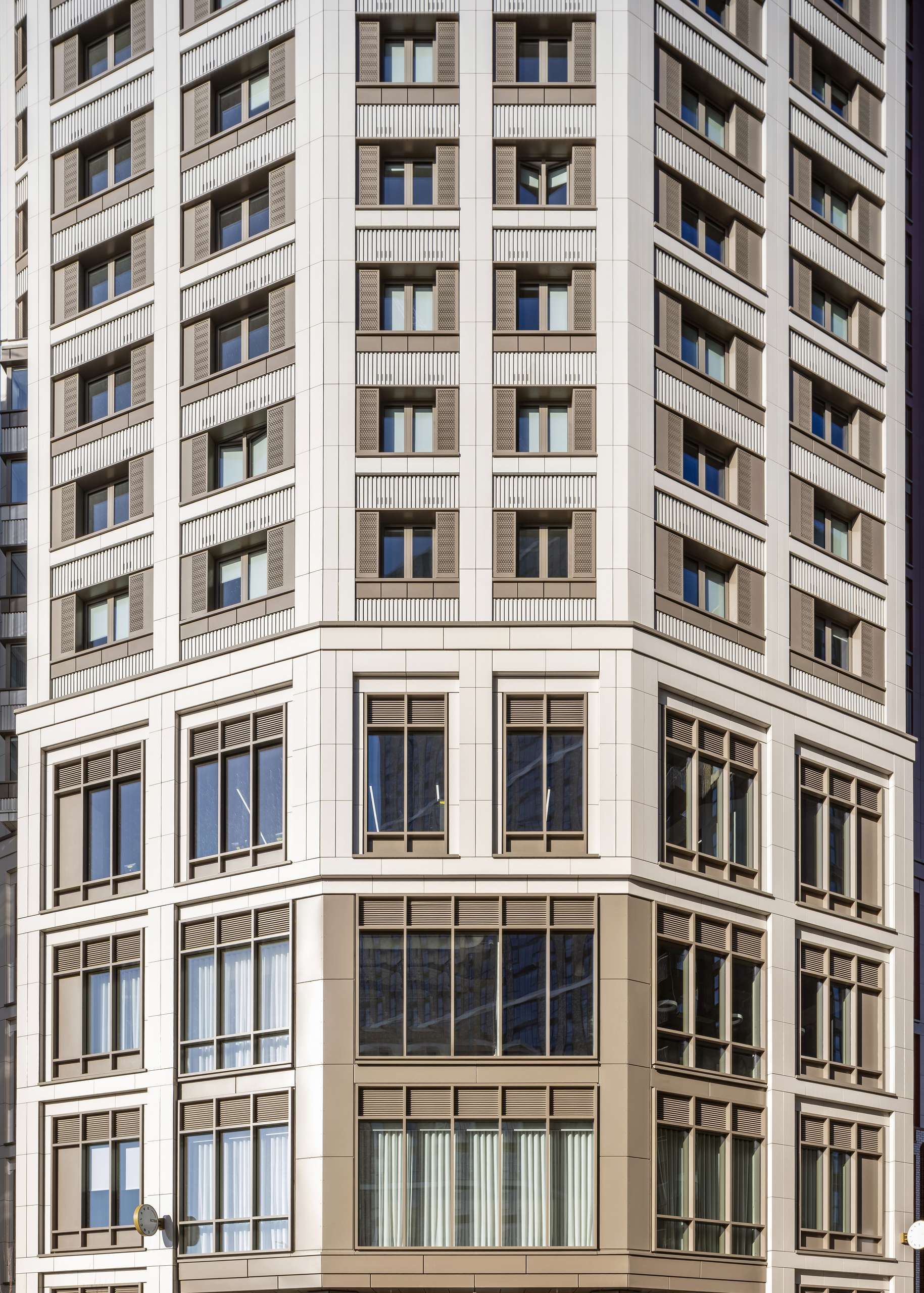
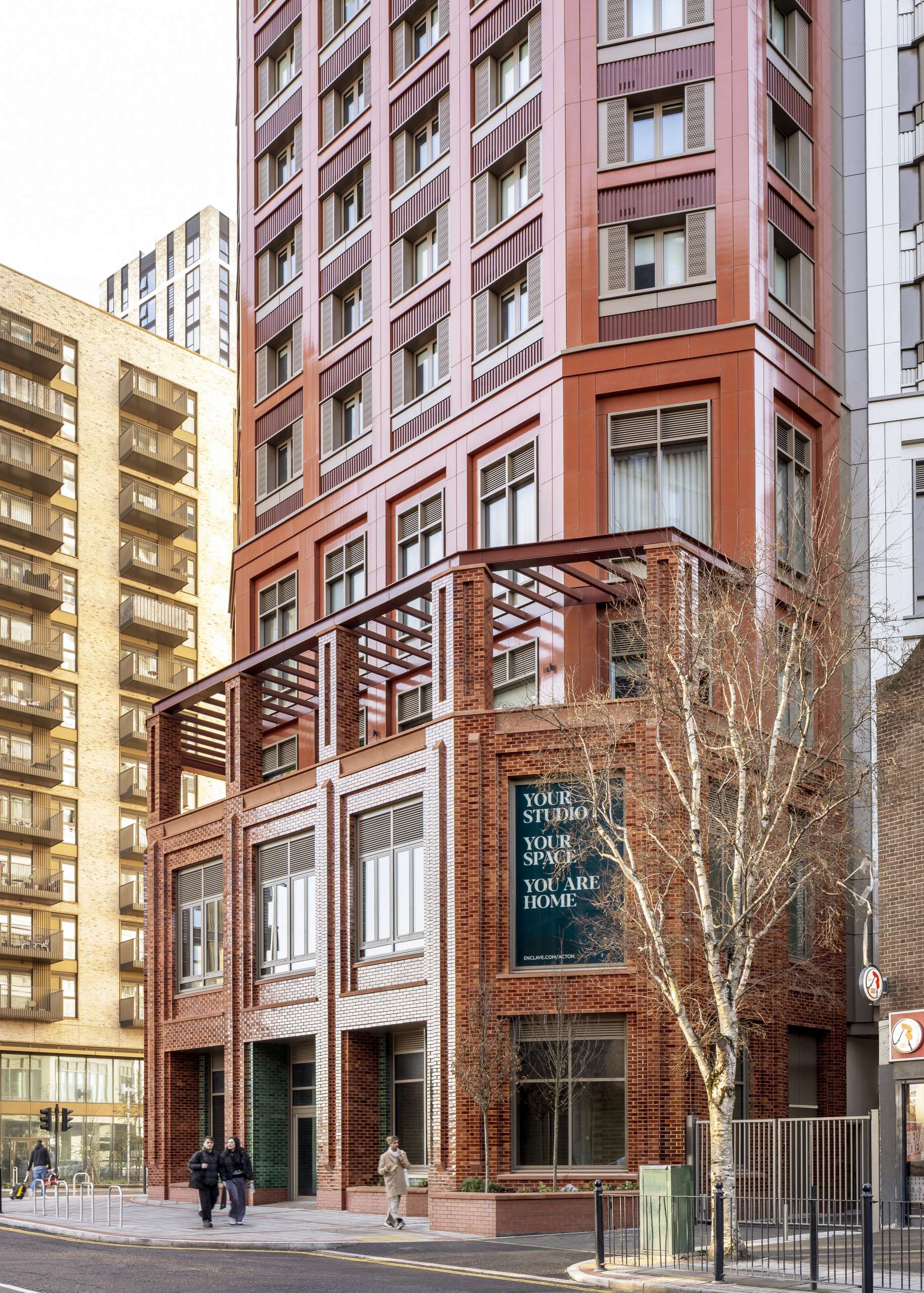
Across the wider building façade, rigorous coordination with the façade subcontractor ensured that each terracotta panel was intentionally set out, further minimising off-cuts and material waste. Where technically feasible, cement replacement materials were utilised, incorporating recycled or secondary aggregates. All topsoil and subsoil excavated from the existing site were carefully managed and subsequently reused, reducing the environmental impact associated with material disposal and new material acquisition.
Pre-cast structural columns with mechanical connections were used, allowing components to be easily dismantled for repair, refurbishment, or reuse. The 504 customised volumetric modules are explicitly designed for "reverse engineering." Connections between units are accessible for installation and disassembly, enabling their extraction for reuse, refurbishment, or component recycling at end-of-life. All internal fit-out materials, such as doors, windows, and fixtures, are specified for salvaging and repurposing.
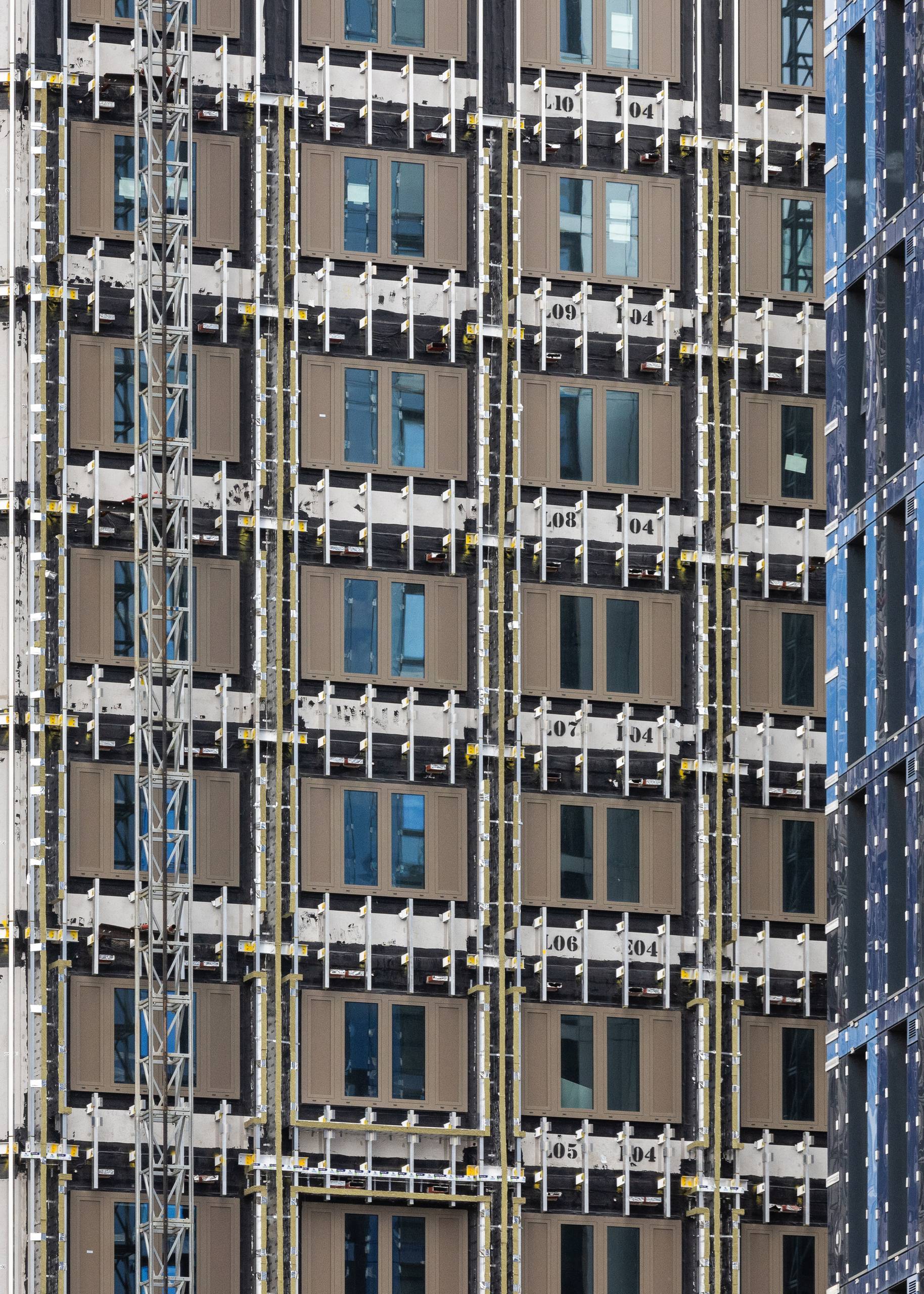
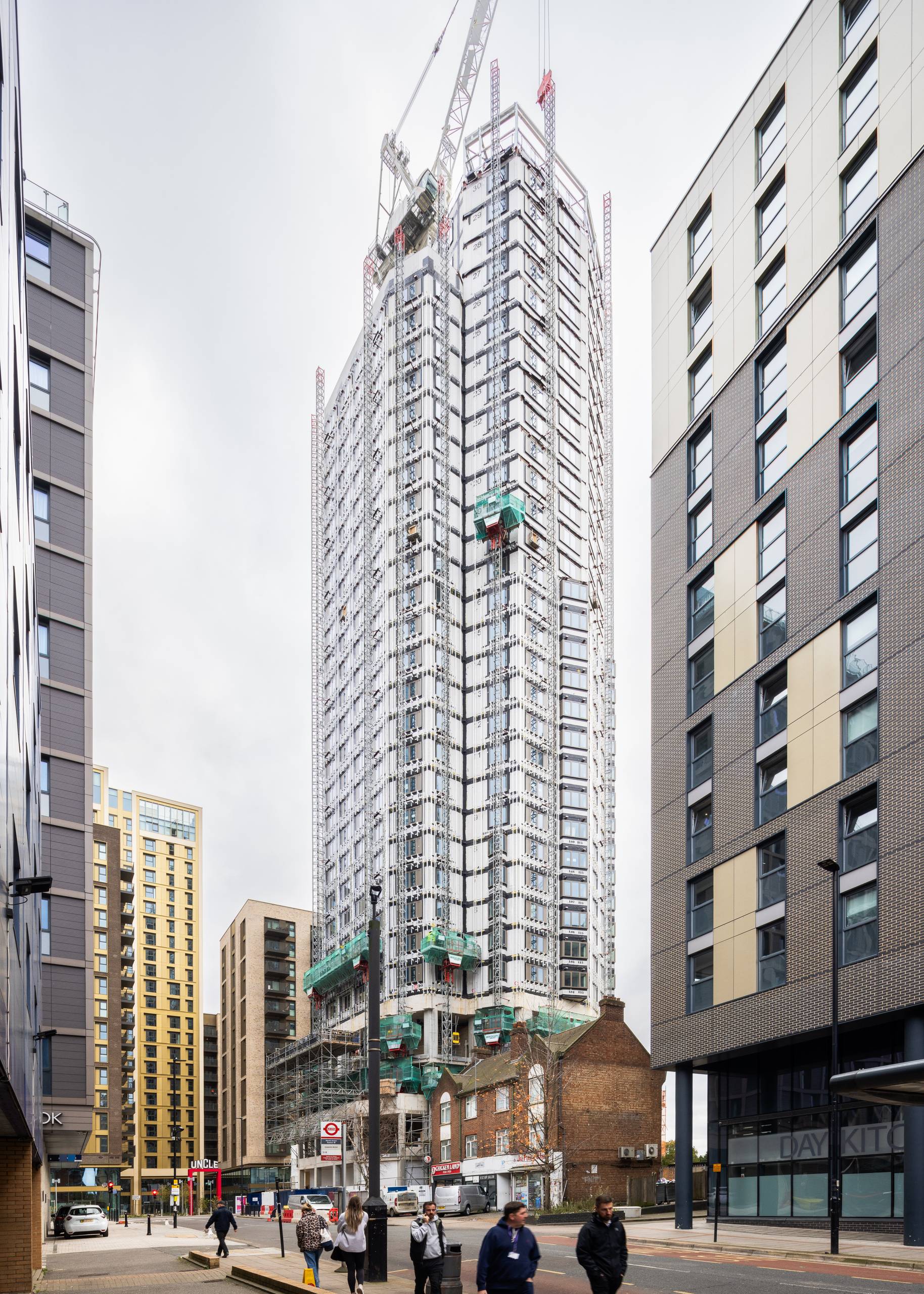
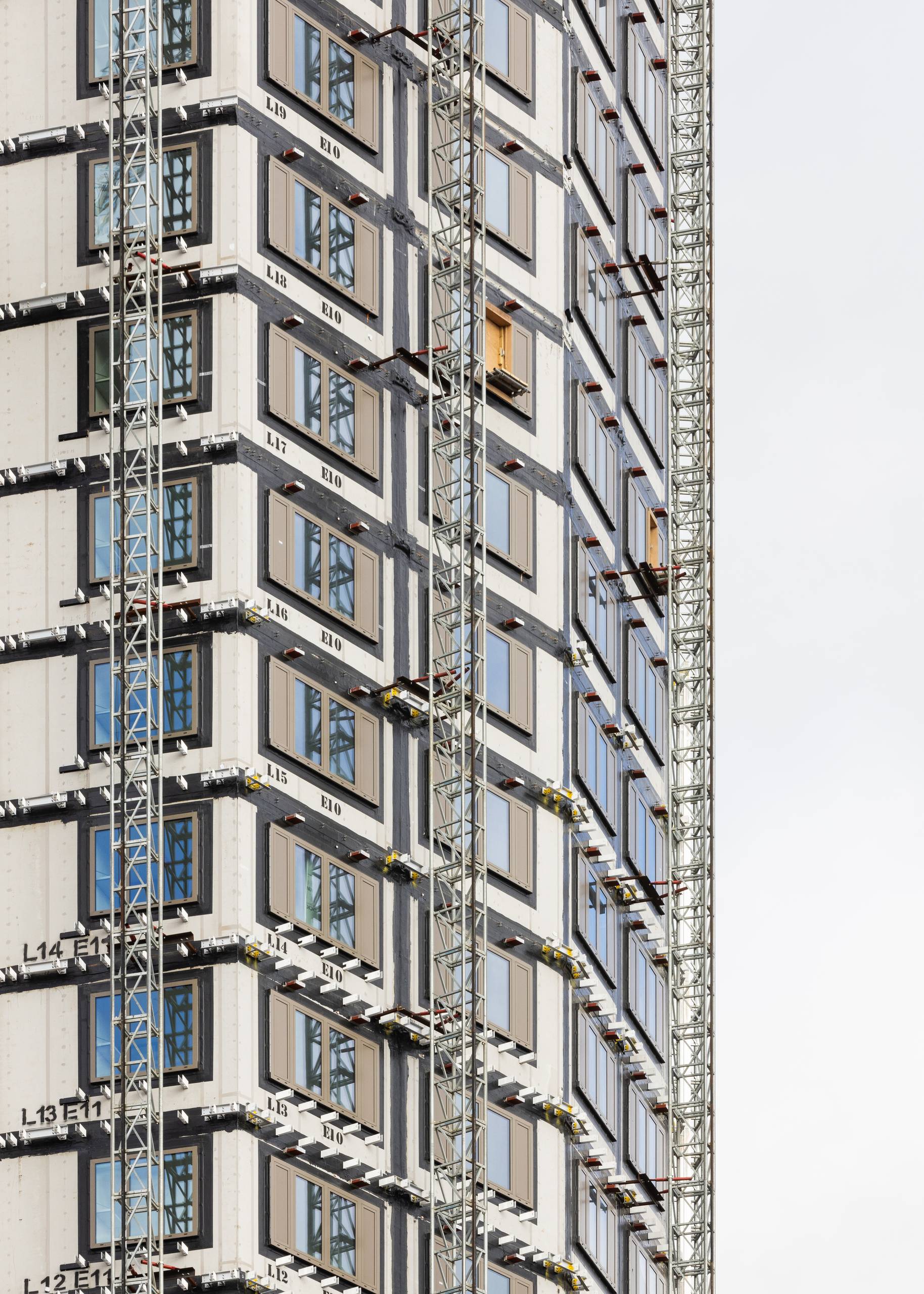
High-quality materials like NBK Terracotta and San Anselmo brick were selected for their environmental and lifecycle benefits, offering excellent resistance to weathering and natural recyclability. A blue roof system is incorporated over a large portion of the hard surface, implementing sustainable drainage strategies on the constrained site.
Designed to achieve BREEAM Excellent certification, the project integrates Air Source Heat Pumps supply 70% of the heating demand and PV panels generate clean, renewable energy, contributing 0.05% of on-site energy generation. Sophisticated building systems continuously monitor performance for optimisation. Ultimately, these efforts are projected to deliver a significant 53% site-wide carbon reduction.


